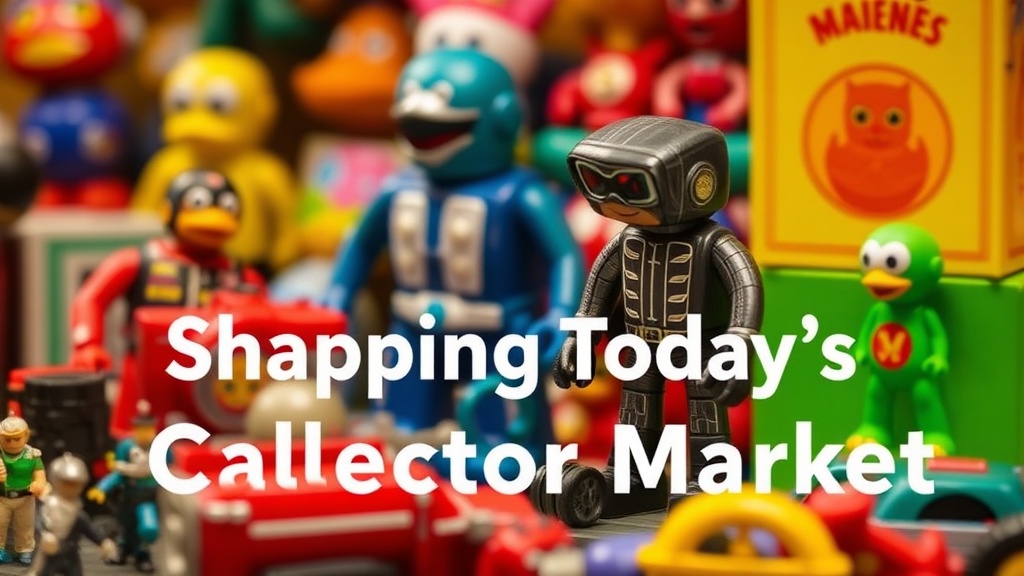
Vintage Toy Trends Shaping Today's Collector Market

The Mid-Century Modern Revival
The Rise of Tin and Metal Aesthetics
Nostalgia-Driven Market Spikes
The Impact of Pop Culture Icons
Minimalist Design in Modern Collectibles
Most people think the vintage toy market is driven by nostalgia, but that's a mistake. It isn't just about wanting to reclaim your childhood; it's about the aggressive shift toward tangible assets and the way high-end fashion is merging with traditional playthings. This post breaks down the specific vintage trends currently driving value in the collector market, from the resurgence of 1980s action figures to the rise of designer "art toys." Understanding these shifts helps you decide where to put your money and how to curate a collection that actually holds its value.
Why is the Vintage Toy Market Growing So Fast?
The vintage toy market is expanding because a new generation of high-net-worth collectors is treating toys as alternative assets rather than just hobbies. We aren't just talking about kids' playthings anymore. We're talking about the same crowd that buys fine art or luxury watches. They want something physical, something with history, and something that is objectively scarce.
The demand for items like Star Wars Kenner figures or vintage Transformers is no longer localized to basement hobbyists. It has moved into the mainstream auction houses. When you see a Mint In Box (MIB) figure selling for thousands, it's because the supply of perfect specimens is dwindling every single day. You can't manufacture more 1977 history. You can only find it.
One major driver is the "cultural loop." A generation that grew up with certain brands now has the disposable income to buy back their childhood—but they want the high-end version. They aren't looking for a used toy from a garage sale; they want the pristine, graded version that looks like it just left the factory. This has birtited the massive growth of third-party grading services like Certified Collectibles Guaranty Company (CGC) and others that verify authenticity and condition.
It's a bit of a wild west right now. One day a specific color variant of a figure is worth nothing, and the next, it's a holy grail. It requires constant vigilance.
What Are the Most Valuable Vintage Trends Right Now?
The most valuable trends currently center on "Designer Toys" and "Limited Edition Art Toys" that bridge the gap between street fashion and collectible sculpture. This isn't your grandfather's hobby. It's a hybrid market where the aesthetic of the object is just as important as the brand name behind it.
Here are the three major pillars of the current market:
- The "Art Toy" Movement: Brands like Be@rbrick or Kaws have turned the concept of a "toy" into a high-fashion accessory. These pieces are often produced in extremely low quantities and are treated more like sculptures than playthings.
- Nostalgic IP Resurgence: We are seeing a massive spike in the value of 1980s and 90s properties. Think Masters of the Universe or He-Man. The scarcity of well-preserved figures from this era makes them incredibly lucrative.
- Fashion Collaborations: When a high-fashion house like Supreme or BAPE releases a limited-run vinyl figure, the secondary market value explodes instantly. This is where the "fashion collectible" world truly lives.
If you're looking to start a collection, you need to decide if you're a "purist" or a "trend-chaser." A purist might collect vintage G.I. Joe figures, while a trend-chaser might jump on the latest designer drop. Both have value, but the risk profiles are totally different.
If you're already building a collection, you might want to look into organizing your collection by theme and era to keep your assets manageable and easy to track.
How Much Does a High-End Vintage Figure Cost?
Star Wars figure in a sealed box can easily command a premium that would make most car collectors blush.
To understand the scale of the market, look at this comparison of typical price points for different categories of collectible "toys":
| Category | Typical Price (Ungraded) | Typical Price (High Grade/Sealed) | Primary Driver |
|---|---|---|---|
| Vintage 80s Action Figures | $50 - $150 | $500 - $2,500+ | Scarcity & Condition |
| Designer/Art Toys (e.g., Kaws) | $200 - $500 | $1,500 - $5,000+ | Brand Hype/Artist Name |
| Fashion Collaboration Toys | $100 - $300 | $800 - $3,000 | Limited Release/Hype |
| Vintage Die-Cast Models | $30 - $100 | $400 - $1,200 | Mechanical Integrity |
It's important to note that "condition is king." A figure with a slightly bent corner on the packaging might be worth half of a "perfect" one. This is why many collectors spend a significant amount of time on protecting their models from UV damage and fading. If you don't protect the physical integrity of the item, you're essentially throwing money away.
The price of a "mint" item isn't just a suggestion—it's a hard ceiling. You'll see people paying a 300% premium just for a slightly better card-back or a cleaner paint application. It's irrational, but that's how the market works.
Is Investing in Vintage Toys a Good Idea?
Investing in vintage toys is a viable strategy if you have the patience to research specific niches and the discipline to avoid "hype-buying." It is not a get-rich-quick scheme. Most people who try to "flip" toys without understanding the history end up losing money to more experienced collectors.
The biggest trap is buying at the top of a trend. When everyone on social media is talking about a specific designer toy, the price is usually at its peak. By the time you realize it's a "hot" item, the smart money has already moved on. You want to buy when the item is overlooked or when the market is "boring."
One thing to watch out for is the "reproduction" market. High-quality fakes are becoming incredibly common. If you're buying a high-value item, you must be able to verify its provenance. Relying on a seller's word isn't enough. You need to understand the nuances of the packaging, the paint applications, and the specific manufacturing flaws that characterize the original era.
If you're looking to display these high-value pieces, don't just throw them on a shelf. The way you present them matters. Even a $2,000 figure looks cheap if it's sitting under a flickering fluorescent light. You'll want to look into lighting your display case for maximum impact to ensure your investment looks as premium as it actually is.
The market is shifting toward a more professionalized, "investment-grade" model. This means the collectors who succeed are the ones who treat their collections like a business. They track price histories, study manufacturing dates, and understand the intersection of pop culture and high fashion.
Don't just buy things because they look cool. Buy things because they have a reason to exist in the future. A toy that was produced in 5,000 units is a much better bet than a "limited edition" toy produced in 50,000 units. Scarcity is the only thing that guarantees long-term value. It's a tough market, but for those who do the work, the rewards are significant.