
The One Display Trick That Instantly Makes Scale Models Look Premium

Quick Tip
Use intentional empty space around your scale models to instantly make them look more premium and visually striking.
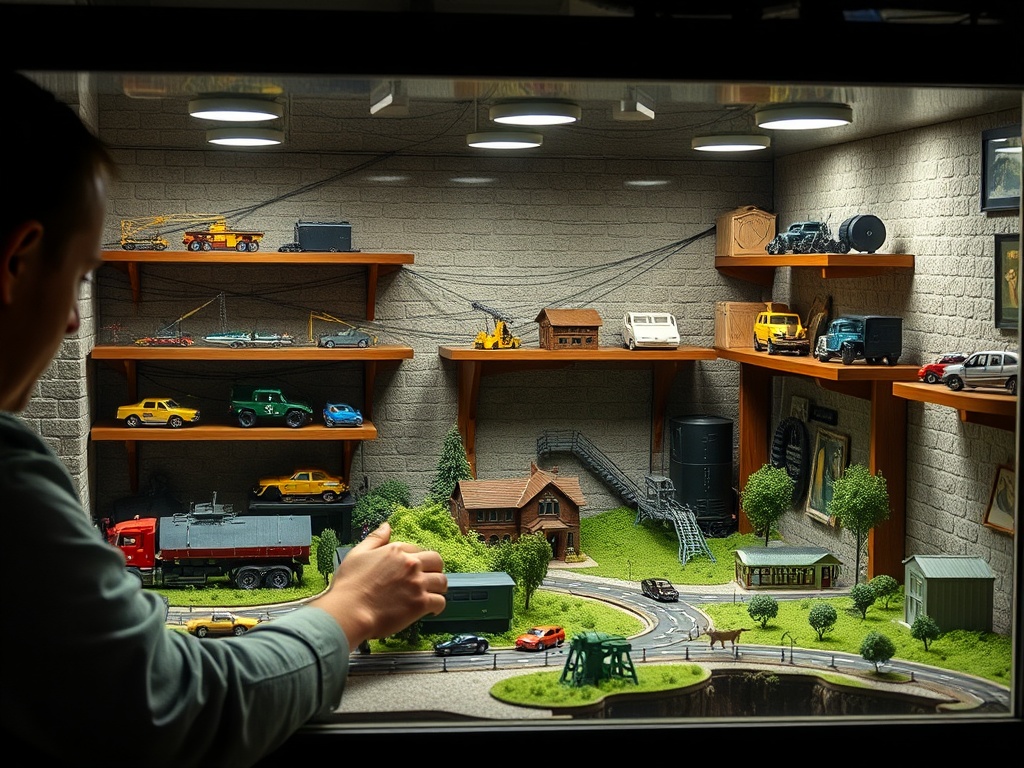
Most collectors overcomplicate display. More shelves, more lights, more clutter. The result? Even expensive pieces end up looking average.
Here’s the single upgrade that changes everything: controlled negative space.
Give your best models room to breathe, and they immediately look rarer, cleaner, and more intentional. This isn’t theory—it’s what separates museum-level displays from crowded hobby shelves.
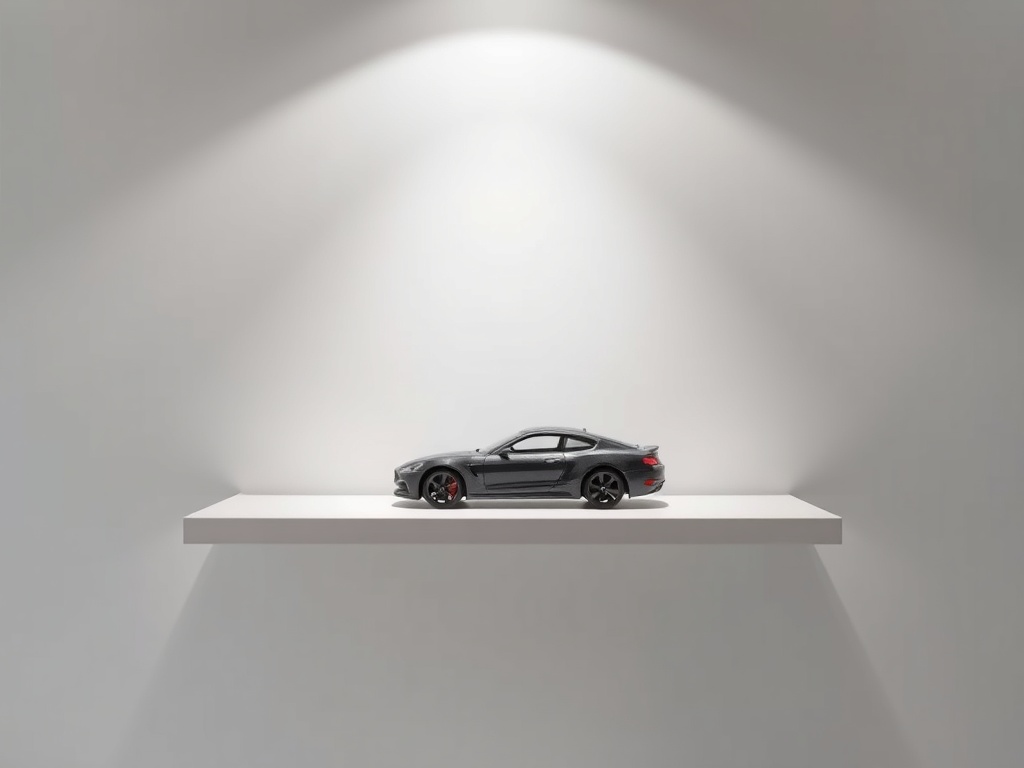
Why Negative Space Works (And Why Most Collectors Ignore It)
Collectors tend to think in terms of quantity. You’ve spent money, time, and effort—so naturally you want everything visible. The problem is visual competition.
When every model fights for attention, none of them win.
Negative space flips the dynamic. By intentionally leaving empty space around a model, you:
- Increase perceived value
- Highlight craftsmanship and fine details
- Create a gallery-like presentation
- Reduce visual fatigue
This is the same principle used in luxury retail, watch boutiques, and high-end museums. One item, properly framed, always beats ten items crammed together.
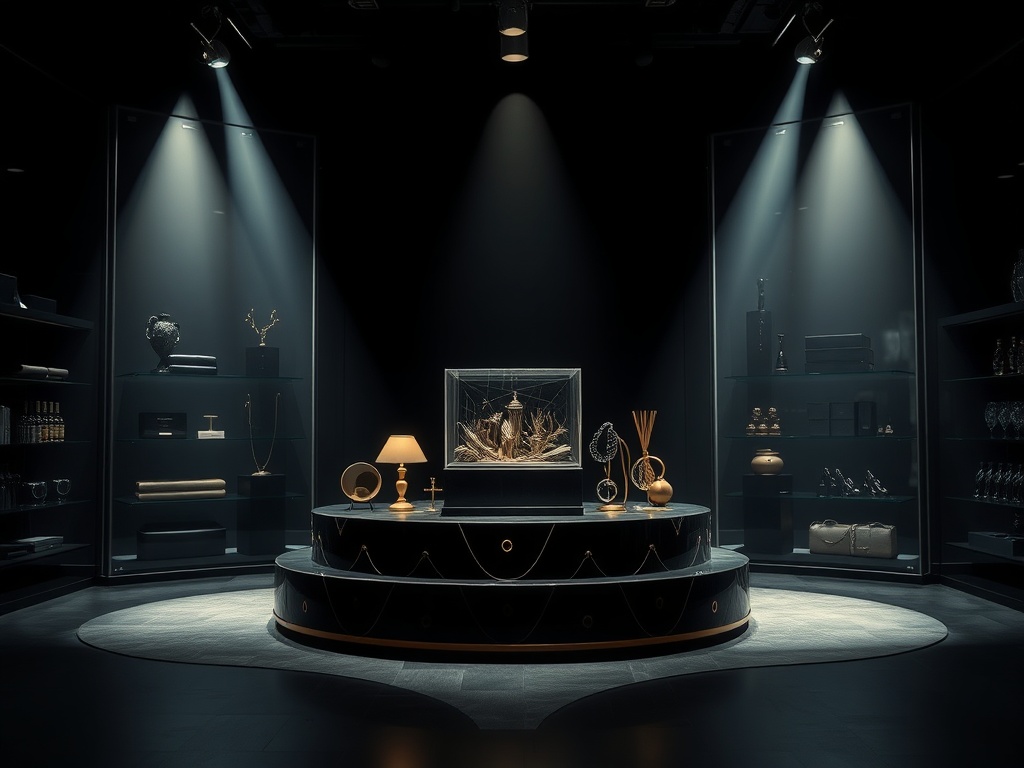
The Exact Setup That Works Every Time
You don’t need a renovation or expensive cabinetry. You need restraint and a repeatable layout.
Here’s the formula:
- One hero piece per zone — Each shelf or section gets a single focal model
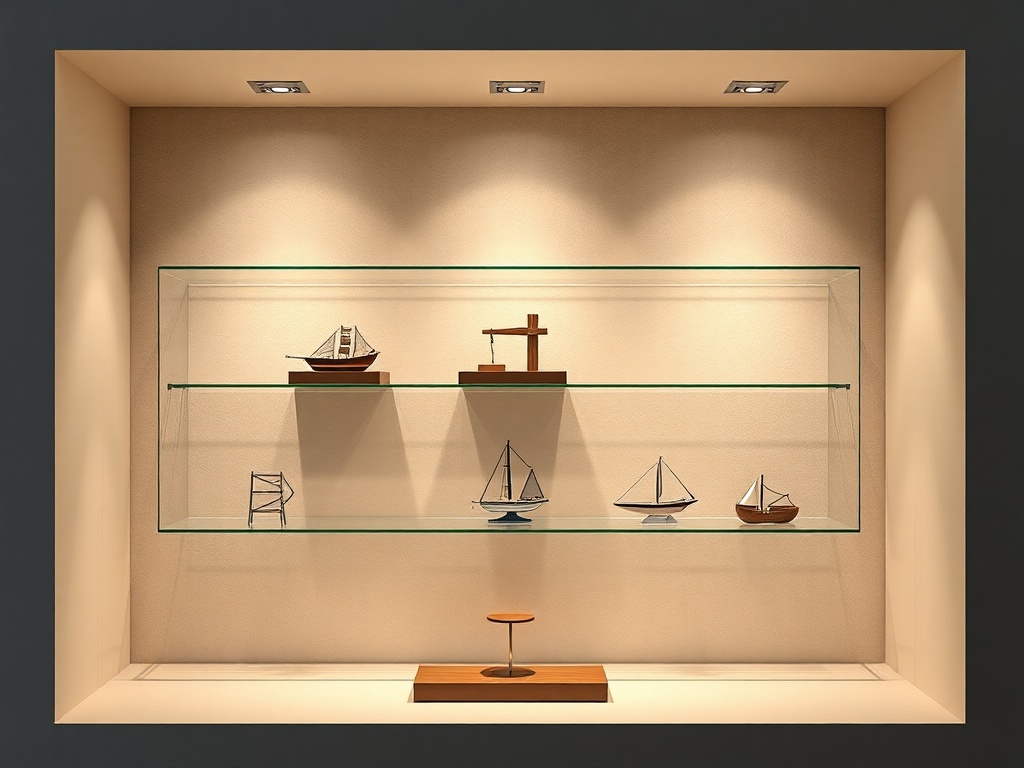
- At least 30–50% empty space — Yes, that much
- Consistent background — Neutral tones outperform busy backdrops
- Directional lighting — One soft light source beats multiple harsh ones
If you only apply one of these, make it the empty space rule. That’s the lever that changes everything.
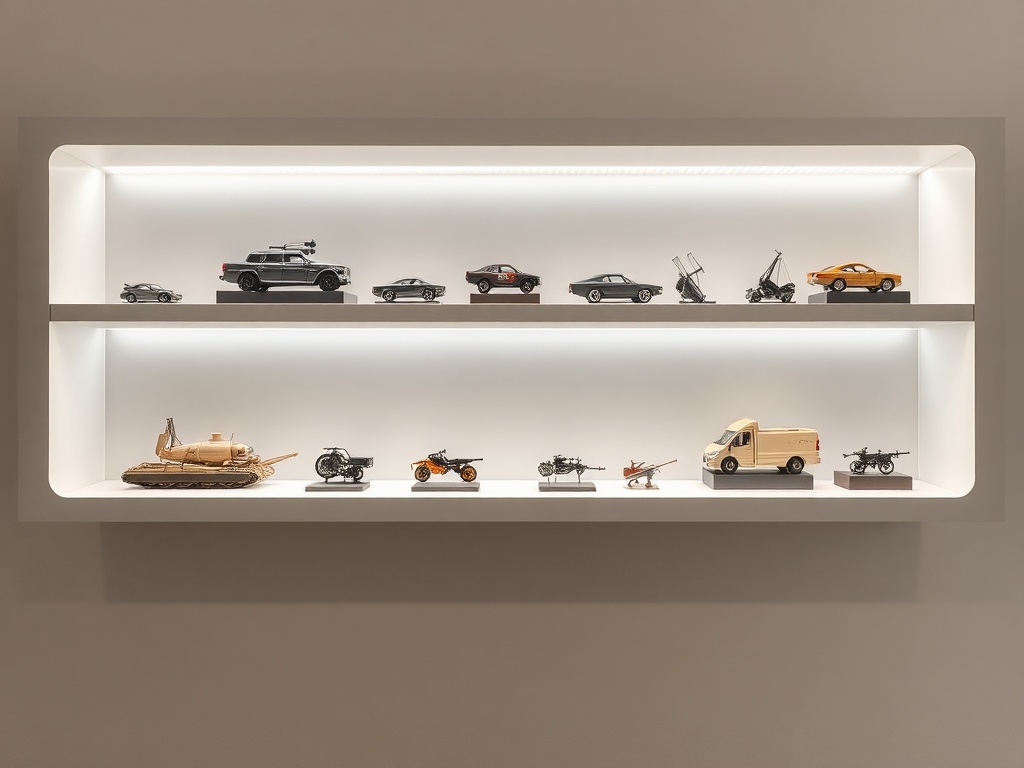
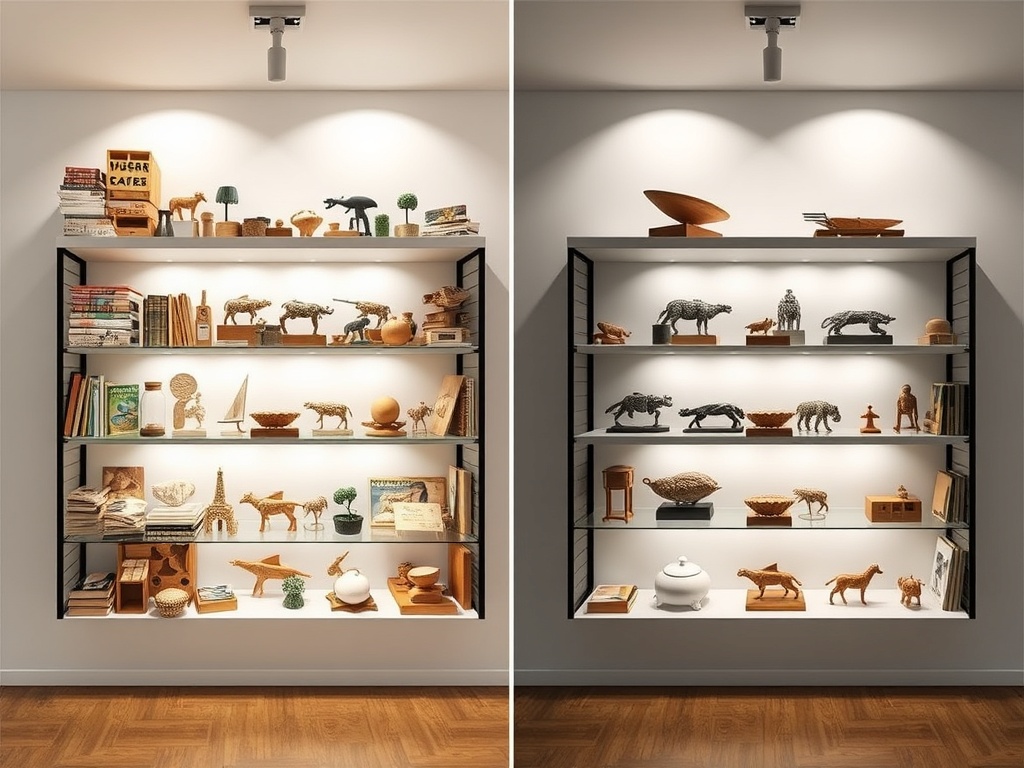
Before vs After: What Actually Changes
Let’s break down what happens when you shift from a packed display to a spaced one.
- Before: Cluttered shelves, visual noise, hard-to-notice details
- After: Each model reads clearly from a distance
- Before: Lighting spreads thin across many items
- After: Light emphasizes form, texture, and paintwork
- Before: Collection feels hobbyist
- After: Collection feels curated
The models themselves haven’t changed—but perception has. And in collectibles, perception is everything.
Common Mistakes That Kill the Effect
Even collectors who understand minimalism often sabotage it in execution. Watch for these:
- Filling the gaps later — You start clean, then slowly add more until it’s crowded again
- Mixing scales randomly — Different sizes break visual harmony
- Over-lighting — Too many LEDs flatten shadows and kill depth
- Busy backgrounds — Patterns, posters, or clutter behind the model dilute focus
Think like a curator, not a storage manager. Your shelf is not a warehouse.
How to Rotate Your Collection Without Losing Impact
The obvious objection: “What about the rest of my collection?”
You rotate.
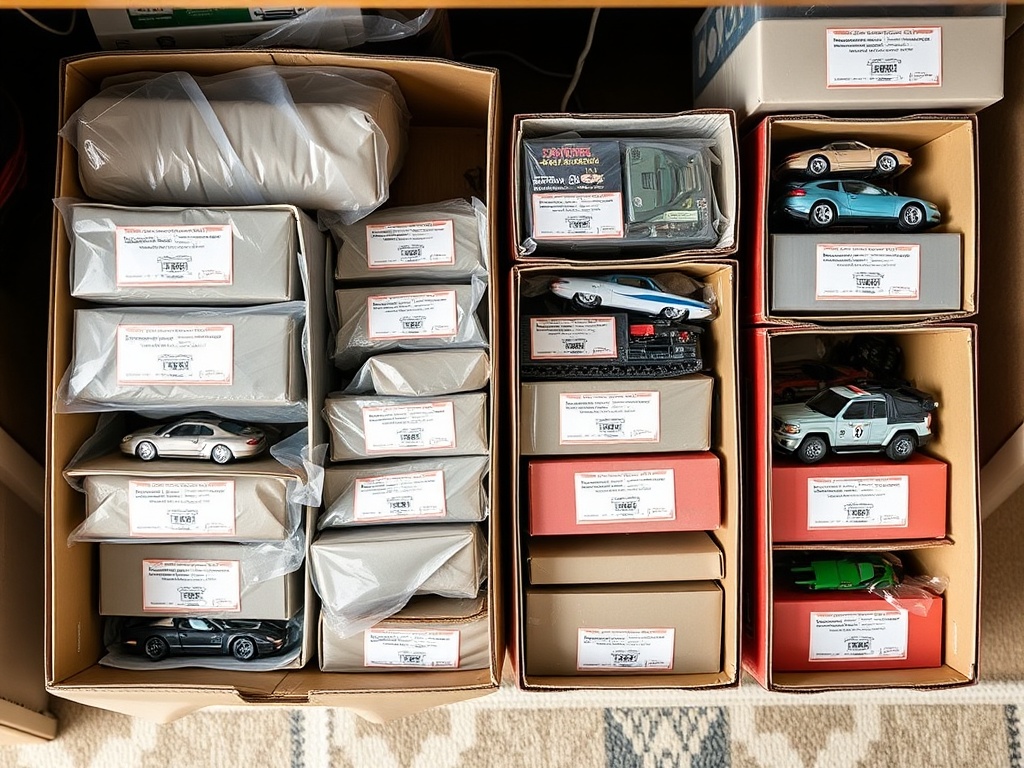
Instead of showing everything all the time, you create cycles:
- Feature 5–10 top pieces for 2–4 weeks
- Store the rest safely (dust-free, climate controlled if possible)
- Swap regularly to keep the display fresh
This does two things. First, it maintains that premium look. Second, it makes your collection feel larger over time—because you’re rediscovering pieces instead of numbing yourself to them.
Lighting: The Silent Multiplier
Negative space sets the stage, but lighting delivers the drama.
Stick to one primary light direction per shelf. Slightly above and angled works best for most models. Warm white (around 3000K–4000K) tends to flatter paint finishes and materials better than harsh cool tones.
Avoid blasting everything evenly. Shadows are what create depth and realism.

Why This Matters More Than Buying Another Model
Most collectors chase the next purchase thinking it will elevate their setup. In reality, display quality has a bigger impact than acquisition.
A $50 model displayed correctly can look more impressive than a $300 model buried in clutter.
That’s the leverage here. You’re not upgrading your collection—you’re upgrading how it’s experienced.
The Collector Mindset Shift
This approach requires a mental shift: from accumulation to presentation.
You’re no longer asking, “How many can I show?”
You’re asking, “Which deserves the spotlight right now?”
That’s how serious collectors operate. Not louder—just more intentional.
Apply This Today (No Budget Required)
You can implement this in under an hour:
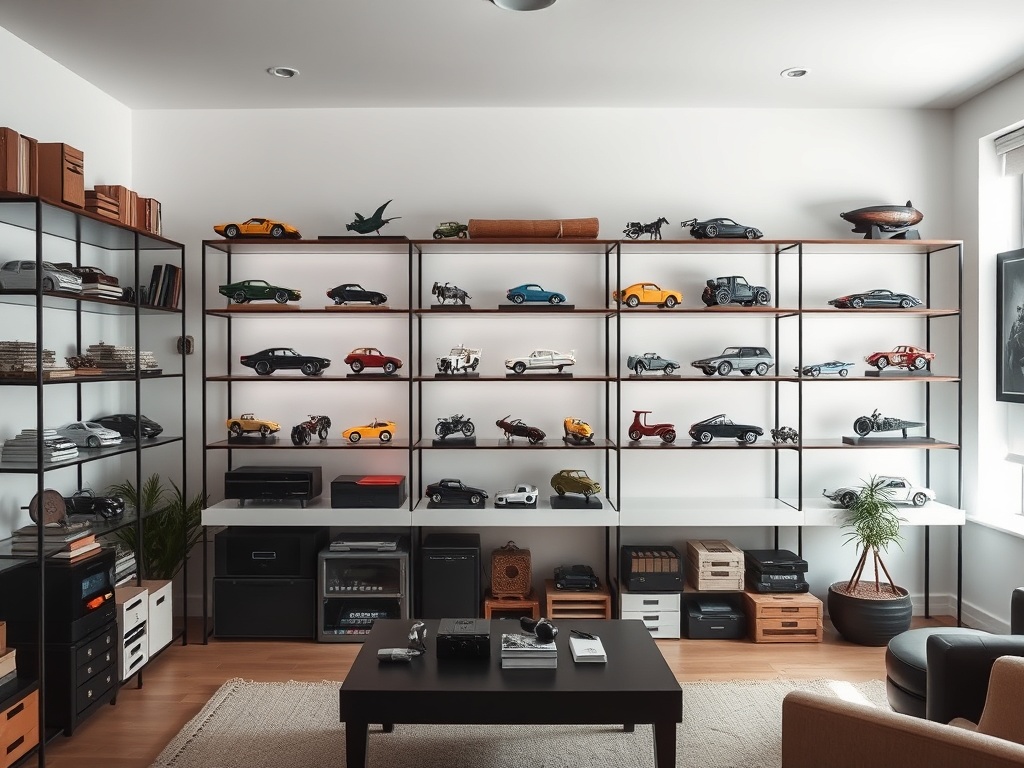
- Clear one shelf completely
- Choose your best single model
- Place it slightly off-center
- Add one light source
- Stop there
Then step back. You’ll immediately see the difference.
Once you do, it’s hard to go back to crowded shelves.
The tip: Leave space. More than feels comfortable. That’s where the premium look lives.