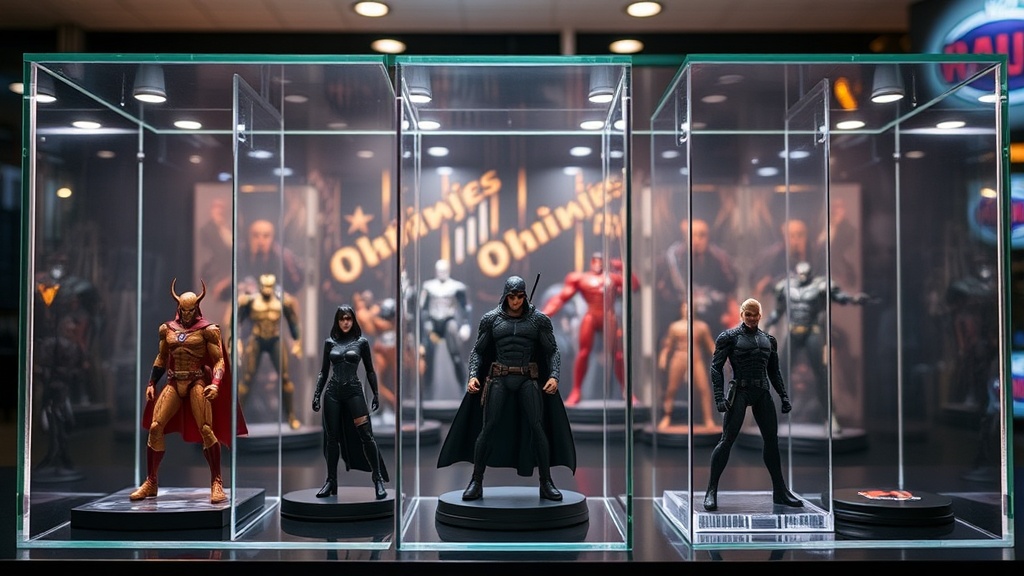
Selecting Premium Acrylic Cases for High-End Figures

Are you tired of seeing your high-end resin statues or designer vinyl figures gathering a layer of fine dust that ruins their finish? This guide breaks down how to select premium acrylic cases that protect your investment from dust, UV light, and physical damage while maintaining a professional display aesthetic. We'll look at material quality, dimensions, and the specific needs of high-value collectibles.
What is the Difference Between Acrylic and Plastic Display Cases?
The primary difference lies in the chemical composition and optical clarity of the material. High-quality acrylic (often known by the brand name Plexiglass) provides much better light transmission and scratch resistance than cheap polystyrene or standard PET plastic. If you're displaying a $500+ piece from a brand like Medicom Toy, using a cheap plastic box is a mistake.
Cheap plastic often yellows or becomes cloudy over time due to UV exposure. Acrylic stays clear. It also has a higher refractive index, which means it looks more like glass. This is a big deal for collectors who want that "floating" look for their figures. (I've seen too many collectors ruin a beautiful setup with a cloudy, yellowish box that makes the figure look cheap.)
Standard plastic is often brittle. If you drop a cheap plastic case, it shatters. High-grade acrylic is much tougher and can handle a bit more impact. It’s a heavier material, too. It feels substantial when you pick it up. That weight often correlates with a better build quality in the seams and edges.
Material Comparison Table
| Feature | Standard Polystyrene | High-Grade Acrylic | Tempered Glass |
|---|---|---|---|
| Optical Clarity | Moderate (can cloud) | Excellent (Crystal Clear) | Superior |
| Scratch Resistance | Low | Medium-High | High |
| UV Protection | Low | High (with additives) | Variable |
| Weight/Feel | Light/Flimsy | Substantial/Premium | Heavy/Premium |
How Do You Prevent UV Damage in a Display Case?
To prevent UV damage, you must select acrylic cases that specifically include UV-resistant additives or use specialized coatings. Most standard acrylics will eventually allow UV rays to pass through, which can lead to pigment degradation. This is especially dangerous for limited edition designer toys where the paint job is the most valuable part of the piece.
If you don't take precautions, you'll notice the colors looking washed out after a year or two. This is especially true for certain vinyl toys. You might want to read more about protecting your resin models from UV damage and fading to understand the science behind light degradation. It isn't just about the case; it's about the environment the case creates.
Here is a quick checklist for UV-safe displays:
- Check for UV-filtering properties: Look for manufacturers that explicitly state their acrylic is UV-resistant.
- Positioning: Even with a good case, don't place your display directly in a sunbeam.
- Colorfastness: Be aware that certain matte finishes on high-end figures are more sensitive to light than others.
A lot of people think a case is just a box. It's actually a shield. If the shield has holes in it (metaphorically speaking), your figure's color integrity will suffer. It's worth the extra $20 or $30 to get a case that actually does its job.
How Much Should You Spend on a Premium Display Case?
A premium acrylic display case for a single high-end figure typically costs between $40 and $150, depending on the size and the complexity of the base. While you can find cheap, generic cases at big-box retailers, they rarely provide the precision needed for high-end collectibles. You're paying for the precision of the edges and the clarity of the sheets.
Don't expect a $10 case to protect a $1,000 statue. The tolerances on a cheap case are often wide, meaning dust can still find its way in through the seams. High-end cases often feature tighter tolerances or even magnetic closures to ensure a better seal. This is vital if you're worried about environmental factors like humidity or dust buildup.
The cost also depends on the "custom" factor. If you need a case built to a specific height for a large-scale piece—say, a 1/4 scale statue—the price will climb. Custom dimensions mean you aren't just buying a product; you're buying a tailored solution. It's a different tier of collecting entirely.
I usually suggest a tiered approach to spending:
- Tier 1 (Standard Figures): $15–$30 for basic, high-quality acrylic boxes.
- Tier 2 (Designer Toys/Vinyl): $40–$80 for thicker-walled, more durable cases.
- Tier 3 (High-End Statues/Resin): $100+ for custom-sized, UV-protected, professional-grade enclosures.
It’s tempting to go cheap. It really is. But once you see a beautiful piece of art inside a scratched, yellowish piece of plastic, you'll realize why the investment matters. It's about the presentation. The case is the frame for your art.
Common Pitfalls to Avoid When Buying Display Cases
The biggest mistake is ignoring the dimensions of your figure's base. A figure might fit inside the case, but if the base is too wide, the figure will look cramped and lose its "presence." You need breathing room around the figure to make it look like a centerpiece rather than a prisoner. This is a common issue when people try to maximize shelf space without considering aesthetics.
Another issue is the "fogging" effect. This happens when there's a temperature difference between the inside and outside of the case, or if there's trapped moisture. If you're storing a high-value collection in a basement or a humid area, you need to be careful. You might want to check out my previous guide on avoiding white mold on your scale model collection, as moisture is a silent killer for both models and cases.
Also, watch out for "acrylic dust." When you're assembling or even just moving some of these cases, they can create tiny shards of plastic. Always use a microfiber cloth—never paper towels—to clean your cases. Paper towels are abrasive and will leave micro-scratches that become visible under bright display lights. It's a small detail, but it's what separates a hobbyist from a serious collector.
One more thing: check the thickness of the acrylic. If the sheets are too thin, the case might bow or warp over time, especially if the figure is heavy. A heavy resin piece in a thin, flimsy box is a recipe for a broken heart (and a broken figure). Always look for at least 3mm or 4mm thickness for anything substantial.
If you're looking to upgrade your display game, don't just look for a box. Look for a piece of equipment. It's a subtle distinction, but your collection will show it.