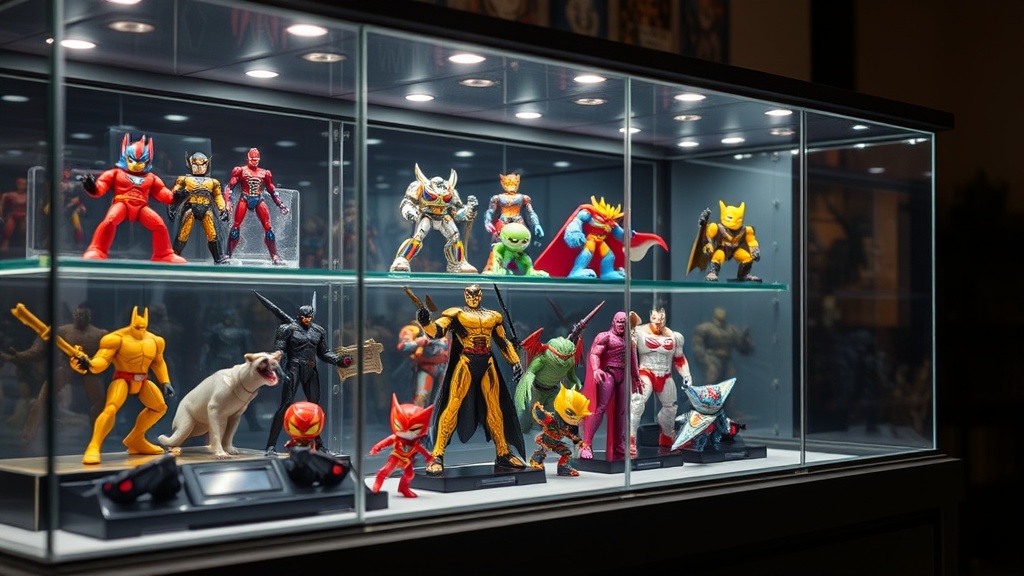
Selecting High-End Designer Toy Display Cases for Your Collection

Why Your Choice of Display Case Impacts Long-Term Value
This guide covers the specific technical requirements for housing high-end designer toys and fashion-based collectibles. We'll look at material compatibility, UV protection, and how to choose a case that preserves both the aesthetic and the physical integrity of your pieces. Choosing the wrong housing can lead to permanent damage—especially for pieces involving mixed media or delicate paints.
A collector's biggest mistake isn't buying a bad piece; it's buying a bad box. If you're housing a high-end resin toy or a miniature fashion piece, the environment inside that case dictates its lifespan. You aren't just looking for a pretty box; you're looking for an environmental barrier. Most high-end collectibles use specialized coatings or delicate pigments that react poorly to heat and light. A cheap acrylic case might look great on day one, but if it doesn't filter UV rays or provide a seal against humidity, your investment is at risk.
When selecting a case, you must look past the aesthetics. A case that looks 'premium' doesn't mean it's functional. For example, certain types of low-grade plastics can off-gas chemicals that actually damage the paint on designer vinyl or resin toys. This is a common issue with cheaper, unbranded display units. You'll want to ensure that any materials used are chemically inert. If you're serious about your collection, you'll want to research the chemical stability of the materials first. A good resource for understanding material safety is the EPA's information on chemical safety, though you'll likely be looking at more consumer-focused material standards.
What Materials Are Safest for Designer Vinyl and Resin?
The material of your display case matters more than you think. Most high-end designer toys are made from vinyl or resin, both of which are sensitive to temperature fluctuations and light. If you're using a display case with built-in LED lighting, you need to be careful. LEDs are better than old-school incandescent bulbs because they produce less heat, but they still generate a small amount of thermal energy. If that heat gets trapped in a small, sealed acrylic box, it can soften the surface of your vinyl or cause the paint to become tacky.
- Acrylic (PMMA): The gold standard for clarity. It offers great UV protection and stays clear for years without yellowing.
- Glass: Excellent for weight and scratch resistance, but heavy and prone to shattering if knocked. It also requires more cleaning.
- Polystyrene: Often found in cheaper cases. It's prone to scratching and can actually become brittle over time.
If you're displaying miniature designer handbags or high-end fashion accessories, keep an eye on the interior lining. Some cases use velvet or faux-leather linings that might actually harbor dust or moisture. You want a surface that is easy to wipe down without leaving residue. A clean, non-reactive surface ensures that the piece stays in the same condition as the day you unboxed it. For those interested in the technical side of how materials interact, checking out ScienceDirect can provide insights into polymer stability and environmental degradation.
How Do I Protect My Collection from UV Damage?
Sunlight is the enemy of the collector. Even if your display case is beautiful, placing it near a window can lead to rapid fading or even "blooming" on the surface of the toy. UV rays break down the molecular bonds in both the plastic and the paint. This is why many collectors move toward specialized museum-grade display cases. These cases use UV-filtering acrylic or glass to block the harmful wavelengths that cause discoloration.
If you can't afford a specialized museum case, look for a setup that allows you to control the light source. Instead of relying on ambient room light, use a dedicated, controlled lighting system. This gives you a way to showcase your pieces without exposing them to the unpredictable nature of natural light. A single mistake in placement—like a case that sits in a direct sunbeam for three hours every afternoon—can ruin a rare piece in a single season. It's a small price to pay for a little bit of vigilance.
The Importance of Airflow and Humidity Control
A common mistake is sealing a case too tightly. While you want to keep dust out, you also need to consider the internal environment. If you live in a high-humidity area, like parts of California, moisture can get trapped inside a sealed display. This can lead to mold growth or even the degradation of certain finishes. Some collectors use small silica gel packets hidden in the base of the display to regulate moisture, but you must be careful not to let the packets touch the actual collectible.
A well-ventilated case is often better than a perfectly airtight one. If you're using a display with electronic components or lights, ensure there's enough space for heat to escape. Heat is a silent killer for resin-based toys. If the internal temperature of the case rises too much, the material can expand or even warp. Always check the temperature of your display after it has been running for an hour. If it feels warm to the touch, your lighting or airflow isn't sufficient.
Which Display Sizes Work Best for Small Scale Models?
Size matters, but not just for the visual impact. You need to choose a size that provides enough "breathing room" for the piece. A case that is too small can feel cramped and might actually be harder to clean. On the other hand, a case that is too large leaves your piece looking lost and makes it harder to control the internal micro-climate. Aim for a ratio where the piece occupies about 60-70% of the vertical height of the case.
For collectors of miniature fashion items, such as 1:12 scale designer bags, you might want to consider modular displays. These allow you to swap out pieces easily without having to move a massive, heavy structure. Modular units are often lighter and easier to store if you decide to change your collection's theme. Just remember to check the weight capacity of the shelves if you're using a multi-tiered system. A heavy resin figure can easily crack a thin plastic shelf if it isn't rated for that weight.