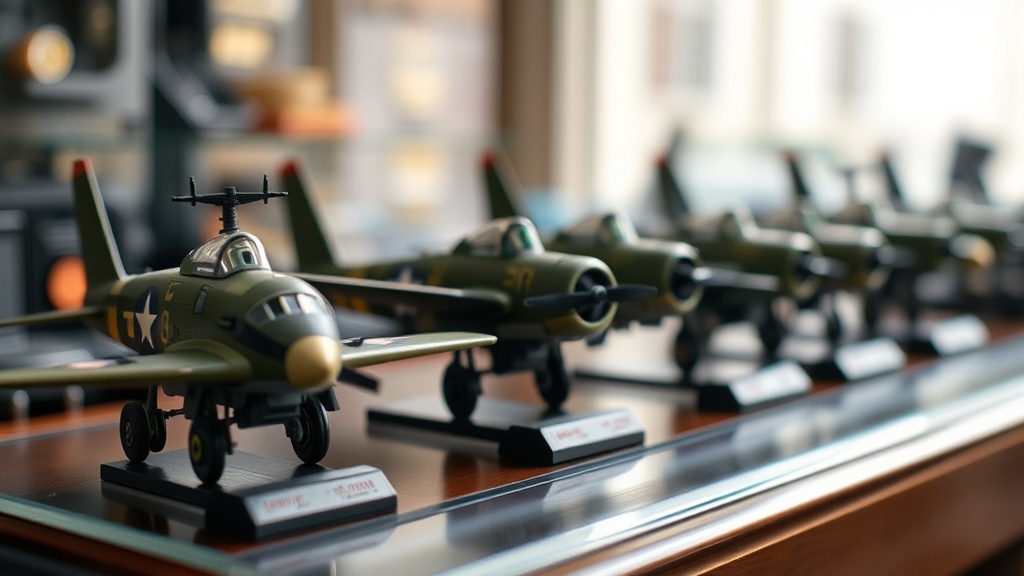
Safeguarding Your Scale Model Collection: Avoiding Display Missteps

What challenges do scale model enthusiasts face when preserving their meticulously crafted pieces?
Bringing a model to life takes time, precision, and a keen eye for detail—a significant investment of both effort and passion. Once complete, the urge to showcase these miniature masterpieces is strong, yet the methods we choose for display often introduce risks that can subtly, or sometimes dramatically, compromise their integrity and appearance over time. This guide explores the prevalent pitfalls in model display and offers actionable strategies to ensure your collection remains pristine, retaining its visual impact and sentimental value for decades.
What Environmental Factors Threaten Your Models Most?
1. The Silent Erosion of Sunlight and UV Exposure
Direct sunlight is arguably one of the most destructive—and often underestimated—threats to scale models. The ultraviolet (UV) radiation within sunlight doesn't just fade vibrant paint schemes; it can also weaken plastic components, leading to brittleness, warping, and discoloration. Even models displayed near windows, not in direct sun, can suffer cumulative damage from ambient UV light. Consider how photographs left exposed to light gradually lose their vibrancy—your models face a similar, albeit slower, degradation.
- Solution: Position display cases or shelves away from direct windows. For models you wish to exhibit in naturally lit rooms, consider UV-filtering films for windows or display cases. Acrylic display cases, often preferred for their clarity and lighter weight, inherently offer some UV resistance, but dedicated UV-protective variants provide an extra layer of defense. Research suggests that prolonged UV exposure can initiate complex photochemical reactions in polymers, underscoring the need for preventative measures. For further reading, consult resources on