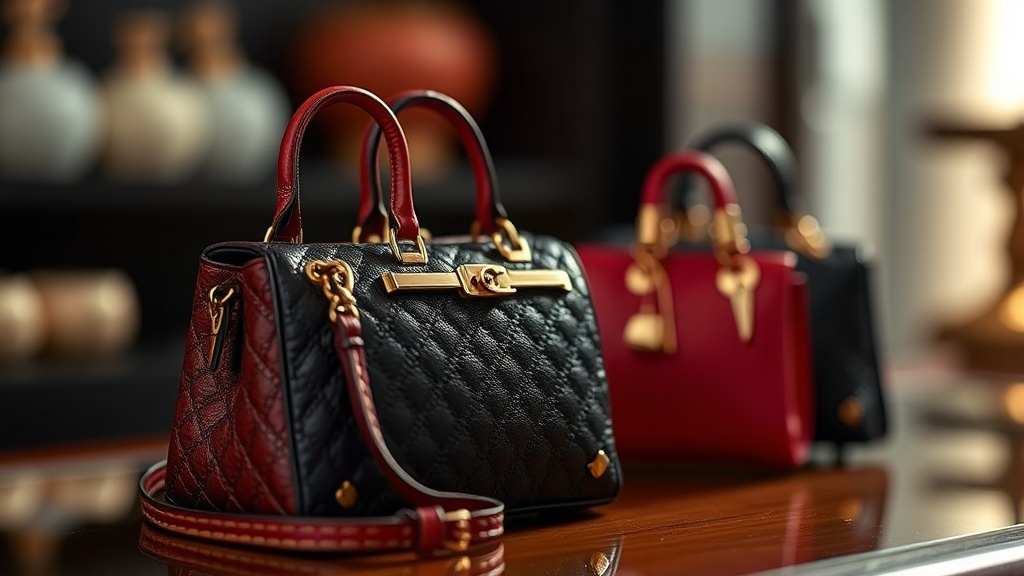
Miniature Designer Handbags: The Art of Collecting Fashion in 1:12 Scale

This post breaks down the growing world of 1:12 scale designer handbag replicas — where craftsmanship meets fashion history in palm-sized form. You'll learn what makes certain miniatures valuable, which brands lead the market, and how to spot quality pieces worth adding to a collection. Whether you're a seasoned collector or just discovered these tiny treasures on Instagram, there's something here that'll help you spend smarter and appreciate the artistry behind each stitch.
What Are Miniature Designer Handbags and Why Are People Collecting Them?
Miniature designer handbags are exact 1:12 scale replicas of iconic luxury purses — think Hermès Birkin, Chanel Classic Flap, or Louis Vuitton Speedy — crafted to fit in the palm of your hand. These aren't toys. They're artisan-made collectibles, often hand-stitched from genuine leather with working clasps, interior linings, and even miniature authenticity cards. The appeal spans multiple audiences: fashion enthusiasts who can't drop $10,000 on a full-size Birkin, dollhouse collectors seeking realistic accessories, and investors watching limited editions appreciate on the secondary market.
The 1:12 scale standard emerged from dollhouse miniatures tradition — it's the most common scale for adult collectors, meaning one inch equals one foot in real life. A full-size Birkin 30 (30cm wide) becomes a 2.5-inch miniature. Small enough to display on a shelf, large enough to showcase details. The catch? Not all miniatures are created equal. Mass-produced resin versions from Alibaba run $15-30. Handcrafted leather pieces from artists like Tanja's Miniatures or Mini Bag Studio command $200-800 depending on complexity.
"The best miniatures aren't缩小 versions — they're translations. Every stitch, every hardware choice, every leather grain pattern has to communicate what makes the original special."
Collector communities on Reddit (r/Miniatures and r/RepLadies) and Instagram have exploded since 2020. The pandemic drove interest in indoor hobbies, and fashion TikTok popularized "unboxing" videos featuring these tiny pieces. Some limited releases — like the collaborative miniatures from Spanish artist Amanda Lis and Italian leatherworker Marco's Atelier — sell out in minutes and resell for 3x retail within weeks.
Which Brands and Artists Make the Most Collectible Miniature Handbags?
The collectible miniature market splits into three tiers: luxury fashion houses releasing official miniatures, independent artisan studios producing handmade replicas, and factory-made knockoffs. Knowing the difference protects your wallet and your collection's integrity.
Official Luxury Miniatures: Several heritage brands have embraced the miniature trend. Hermès leads with their Miniature Birkin and Kelly collections — produced in limited quantities for VIP clients and occasionally sold at auction. These aren't 1:12 scale (they're typically larger, around 1:4), but they're authenticated luxury goods in their own right. Chanel has released miniature perfume bottle handbags and tiny Classic Flap keychains that collectors snap up. Louis Vuitton's miniature trunks and handbags appear periodically in their "Objets Nomades" and holiday collections.
Independent Artisan Studios: This is where the most impressive 1:12 work happens. Here's the thing — these artists aren't copying; they're interpreting. Worth noting: the best names in this space have years-long waitlists.
| Artist/Studio | Location | Signature Style | Price Range | Wait Time |
|---|---|---|---|---|
| Mini Bag Studio | South Korea | Hermès-style saddle stitching, hand-painted edges | $350-$850 | 4-6 months |
| Tanja's Miniatures | Germany | Vintage Chanel replicas, aged hardware | $280-$600 | 3-4 months |
| Marco's Atelier | Italy | Exotic leathers (mini python, ostrich) | $500-$1,200 | 8-12 months |
| Miniature Luxe | USA (California) | Contemporary bags (Bottega, The Row) | $200-$450 | 2-3 months |
| Atelier Nana | Japan | Japanese precision, functional closures | $400-$900 | 6-9 months |
Factory Replicas: Available on Alibaba, AliExpress, and some Etsy sellers. These run $15-50, use PU leather or resin, and while visually similar from a distance, they lack the weight, smell, and tactile satisfaction of genuine leather. That said, they're fine for background props or testing whether this hobby sticks before investing serious money.
How Do You Authenticate and Value a Miniature Designer Handbag?
Authenticating miniatures requires examining materials, craftsmanship documentation, and provenance — though the standards differ from full-size luxury goods. You're not checking for "authentic" brand authorization (most artisans don't have licensing deals with LVMH or Hermès). Instead, you're verifying the artist's identity, materials quality, and production methods.
Materials matter most. Genuine leather miniatures have weight. They smell like a shoe repair shop, not plastic. High-end artisans use the same tanneries as luxury brands — French Chèvre, Italian Vachetta, even exotic skins legally sourced for miniature work. Hardware should be metal (brass, gold-plated, or zamak alloy), not painted plastic. The stitching — here's where you spot real craft — follows saddle stitch patterns, not machine lockstitching. On a proper miniature Birkin, you'll see angled stitches, exactly like the full-size version.
Documentation and provenance: Reputable artists include certificates of authenticity, signed and numbered editions, and care instructions. Many now use Instagram or personal websites to document their process — work-in-progress photos, leather sourcing, tools. If a seller can't tell you who made the piece and when, walk away. The secondary market (eBay, Instagram resale accounts, specialized Facebook groups) rewards documented provenance with 20-40% premiums.
Value factors: Several elements drive miniature pricing:
- Artist reputation: Established names (Mini Bag Studio, Marco's Atelier) command premiums
- Materials: Exotic leathers, precious metals, functional hardware increase value
- Edition size: One-of-one pieces outsell open editions significantly
- Complexity: A miniature Kelly with functional turnlock, straps, and interior pockets takes 40+ hours — that labor reflects in price
- Condition: Unlike full-size bags, even "new" miniatures can have workshop marks; pristine examples with original packaging sell fastest
The resale market operates largely through Instagram DM sales and private Facebook groups. Popular pieces from Marco's Atelier have sold for $2,000+ — nearly double retail. That said, treat miniatures as a passion collection first, investment second. The market's thin and illiquid compared to watches or full-size handbags.
Where Should You Display and Store Miniature Handbag Collections?
Display choices affect both enjoyment and preservation. These pieces deserve better than a shoebox — they're sculpture, not clutter. Most serious collectors use one of three approaches.
Shadow boxes and wall displays: IKEA's RIBBA frames (deep enough for 3D objects) run $15-25 and fit 4-6 miniatures depending on scale. Add velvet backing in burgundy, navy, or black — colors that read "jewelry" rather than "toy store." Some collectors commission custom cases from Acrylic Home Design or similar display specialists, running $100-300 for illuminated, dust-free enclosures.
Glass cabinet collections: The IKEA DETOLF ($80) remains the entry-level standard, though serious collectors graduate to custom walnut or glass cases. Lighting matters — warm LED strips (2700K-3000K) prevent leather fading while highlighting stitching detail. Avoid direct sunlight entirely; even museum glass won't fully prevent color shift in delicate dyed leathers over years.
Dollhouse room boxes: This is where fashion collecting meets architectural miniatures. A 1:12 scale luxury boutique diorama — complete with marble floors, glass cases, and proper lighting — transforms individual bags into scene-setting art. Artists like Ken Hamilton (San Diego-based, fittingly) create custom room boxes starting around $800. It's not cheap. But watching a Marco's Atelier Birkin sitting on a miniature Hermès counter, under perfect lighting, justifies the expense for serious collectors.
Storage for pieces not on display requires acid-free tissue, breathable cotton dust bags (never plastic — leather needs air), and stable humidity. Silica gel packets help in damp climates. Temperature swings are the enemy; attics and garages destroy leather.
Starting Your Collection: A Practical Roadmap
If this sparked genuine interest, here's a measured approach. Don't buy the first pretty piece you see.
- Follow artists on Instagram for 2-3 months. Watch their process. Learn their pricing. Understand what makes one piece $200 and another $800.
- Buy one mid-tier piece ($150-250) from a reputable Etsy seller. Get hands-on with genuine leather miniature construction before committing to a waitlist.
- Join collector communities. The Facebook group "Miniature Luxury Collectors" and r/Miniatures offer honest reviews, seller warnings, and occasional resale opportunities.
- Choose a focus. Some collectors chase all Hermès styles. Others collect only contemporary bags (Bottega Veneta, The Row). Narrowing your scope prevents scattershot purchases you'll regret.
- Document everything. Photograph new acquisitions. Save certificates. Track what you paid. Future you — or your heirs — will appreciate the organization.
The miniature handbag world rewards patience. The best pieces aren't available for immediate purchase. They're commissioned, waited for, and treasured. In a collecting space dominated by instant gratification (click, buy, next), there's something almost rebellious about joining a waitlist for a bag smaller than your phone that costs as much as a full-size Coach.
That said, the community welcomes newcomers. Artists remember their early collectors. Share your acquisitions honestly, ask questions without pretension, and display your pieces with pride — whether that's a $30 AliExpress experiment or a $900 Marco original. Scale models have always been about appreciation: of craft, of design, of the impossible made small enough to hold.