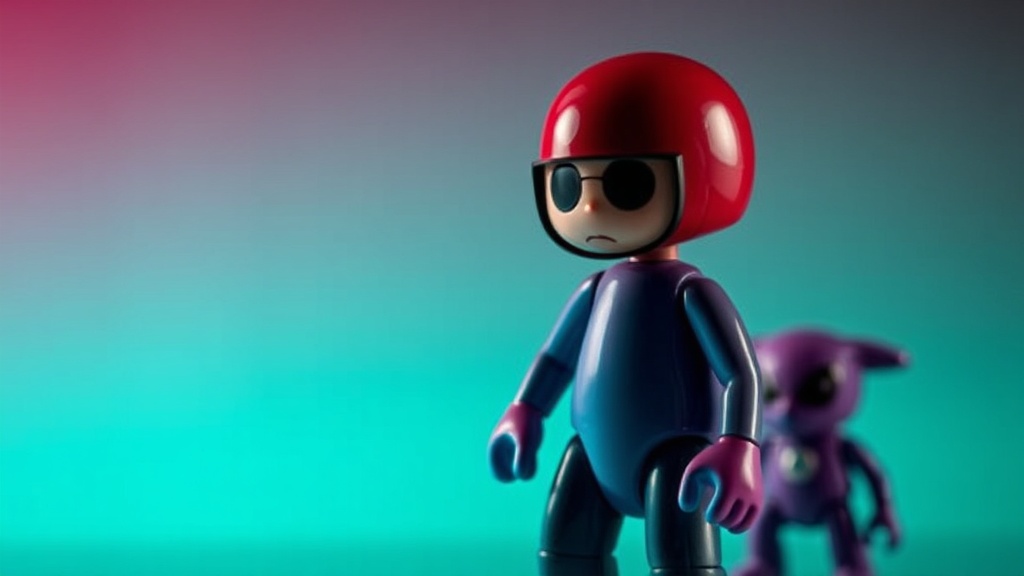
Maintaining Color Integrity in High-End Designer Toy Collections

Why Color Fading Isn't Just About Sunlight
Many collectors assume that if they keep their designer toys away from direct windows, their vibrant colors are safe. This is a mistake. While UV radiation is the obvious enemy, environmental factors like temperature fluctuations and chemical-induced oxidation can ruin a high-end vinyl or resin piece just as quickly. This post covers the specific methods for preserving the pigment of your fashion-forward collectibles, ensuring that the neon pink or deep midnight blue stays exactly as the artist intended.
A high-end designer toy—think Bearbrick, Kaws, or limited edition Medicom—is an investment. When the paint begins to flake or the color shifts toward a dull yellowish tint, the value drops immediately. It's not just about aesthetics; it's about preserving the integrity of the piece. We'll look at the invisible threats that even the most careful collectors often overlook.
Does Humidity Affect Designer Toy Paint?
Most people think humidity only matters for organic materials like wood or paper, but it plays a massive role in the longevity of collectible vinyl and soft-touch plastics. High humidity can lead to a microscopic layer of moisture on the surface, which might seem harmless until you realize it can react with certain types of paint or coatings. If you're living in a coastal area like San Diego, you're already facing a higher risk of ambient moisture affecting your display cases.
When moisture levels fluctuate, the material can expand and contract slightly. This microscopic movement is a nightmare for high-detail paint jobs. It leads to micro-cracking or "crazing," where the paint looks like it has tiny web-like fractures. To prevent this, you shouldn't just rely on a closed case. You need to manage the air inside the case. Using a small, high-quality silica gel packet (the kind found in many high-end shoe boxes) can help stabilize the environment. You can find high-grade desiccant options through retailers like Amazon to keep your display cases dry.
- Keep humidity levels between 40% and 50%.
- Avoid placing display cases near air conditioning vents or heaters.
- Check for condensation on the inside of acrylic cases during seasonal changes.
Is Temperature Control Necessary for Vinyl Collectibles?
Heat is the silent killer of pigment. If you've ever left a plastic toy in a hot car, you've seen how it can warp or become tacky. The same thing happens in a display cabinet if it's placed near a radiator or under intense, heat-emitting LED lights. High temperatures can soften certain types of resins and vinyls, making them more susceptible to chemical degradation. This doesn't just change the shape; it changes the molecular structure of the paint, causing it to lose its luster.
A common mistake is placing a display case in a room that gets significantly warmer during the day. Even if the case is enclosed, the "greenhouse effect" can trap heat inside. If you're displaying high-value fashion collectibles, you need to monitor the ambient temperature of the room. A stable temperature of around 68-72 degrees Fahrenheit is ideal. If the room gets too hot, the paint might even start to feel "sticky" to the touch—a sure sign that the polymers are breaking down.
For those who want to be truly meticulous, using a digital hygrometer/thermometer is a smart move. It's a cheap way to get real-time data on what your collectibles are actually experiencing. You can find reliable sensors through specialized electronics retailers or even on eBay if you're looking for vintage or specific models. This isn't about being obsessive; it's about being a responsible steward of your collection.
How Do I Remove Dust Without Damaging Paint?
Dust isn't just an eyesore; it's abrasive. When dust settles on a textured or matte-finish toy, it can become embedded in the surface. If you use a standard cloth to wipe it away, you might actually be scratching the paint or creating micro-abrasions that dull the finish. This is especially true for "soft-touch" or matte-finish pieces which are very common in modern designer toys.
The best way to clean a piece is to use a soft, natural-hair makeup brush or a high-quality cosmetic brush. These are designed to be gentle and won't leave scratches. A light, quick dusting is much better than a heavy scrubbing session. If there is stubborn residue, avoid using harsh chemicals or even standard household cleaners. Most of these contain solvents that can melt the surface of the plastic or strip the paint entirely.
- The Brush Method: Use a clean, dry makeup brush to flick dust away from the crevices.
- The Air Method: Use a canister of compressed air, but keep it at a distance. Blasting the air too close can actually force particles into the material.
- The Damp Method: If you must use liquid, use a slightly damp microfiber cloth with distilled water only. No soap, no alcohol, and certainly no Windex.
I've seen many collectors ruin a perfectly good matte-finish piece by trying to clean it with an alcohol-based wipe. The alcohol reacts with the matte coating and turns it into a shiny, greasy-looking mess. It's a one-way trip to a ruined collectible. Always test a small, inconspicuous area first if you are ever forced to use a damp cloth.
Maintaining a collection is a marathon, not a sprint. Whether you're into high-end streetwear-inspired toys or vintage vinyl, the way you treat your pieces today determines their value tomorrow. It's about more than just looking good; it's about preserving the history and the art that went into every single piece. Be mindful of your environment, watch your temperature, and always, always use a soft brush for cleaning.